
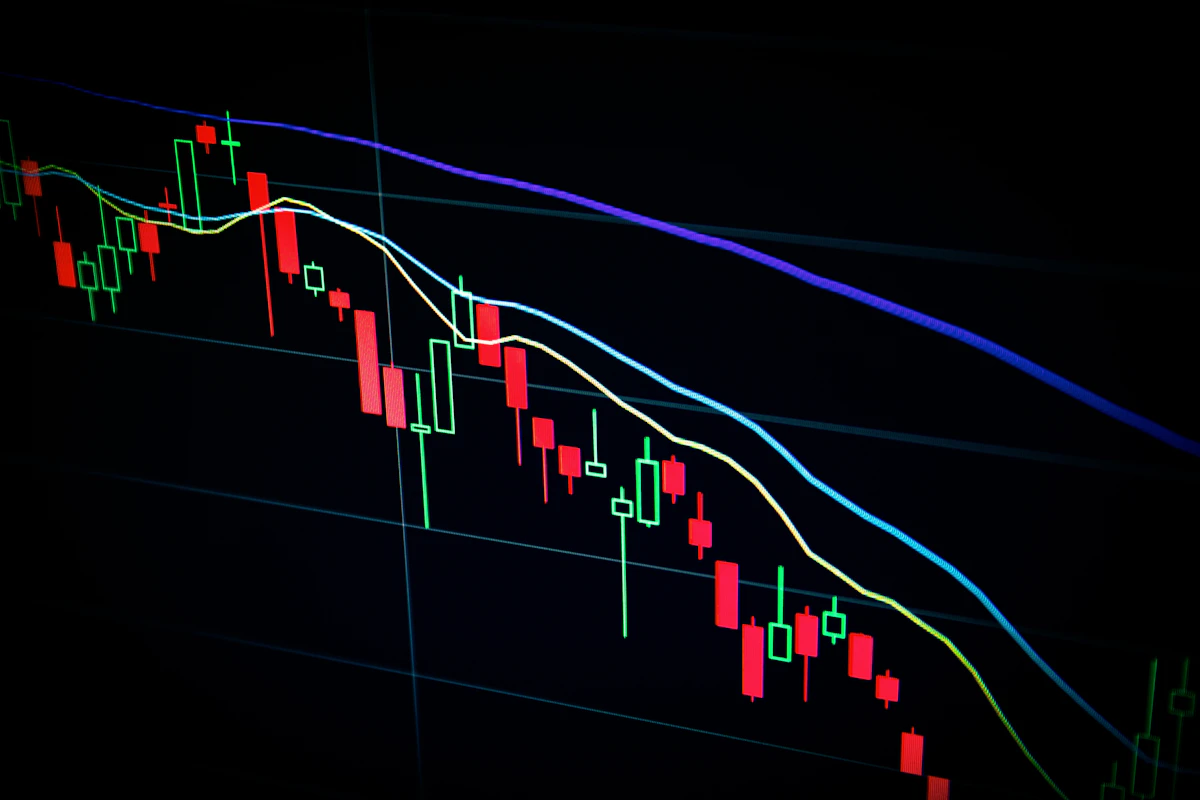
Manual or automated trading? Investors are asking themselves this question more and more frequently — especially since trading bots and AI systems are now far more accessible than they used to be. Both approaches have strengths and weaknesses. Here is the honest comparison.
Manual Trading — The Classic Way
In manual trading, the trader decides on entry, exit, and position size themselves. Advantages: high flexibility, individual adaptation to market phases, creative intervention during extraordinary events.
Disadvantages: time-consuming, emotionally taxing, prone to mental biases such as FOMO or revenge trading.
Automated Trading — Algorithms Instead of Gut Feeling
In automated trading, trades are executed by algorithms. Advantages: consistent implementation of the strategy, speed, 24/5 market participation, no emotional pressure.
Disadvantages: strategy adjustments require technical understanding, "black box" risk with non-transparent providers.
When is Which Worth It?
- Manual — if you see trading as a hobby/profession, have time, and want to understand markets specifically.
- Automated — if you want to profit from the market as a side activity without sitting in front of charts for hours.
For most private investors, the automated version with professional monitoring is the better path — it combines discipline with a human safety net.